
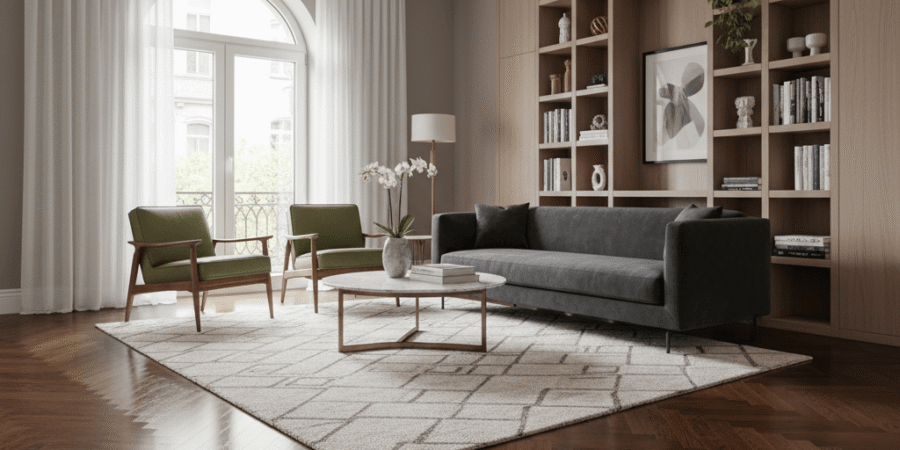
Choosing the perfect floor for your home can feel like a big decision. I know because I have helped many homeowners, and even tackled my own flooring projects. The right floor changes the feel of a room completely. It affects everything from how much light bounces around to how warm your feet feel on a cold morning. This is more than just picking a pretty surface.
You want a floor that looks good and also serves your family’s daily needs. Thinking about pets, kids, or heavy foot traffic is important. The floor you choose really sets the tone for your home’s style. You need to consider how each option contributes to the overall interior design. This is about making smart choices that last.
I believe that achieving stunning interiors starts right under your feet. The floor is the foundation of any great room design. It should be a blend of beauty, function, and comfort. We can explore various options together, making sure your selection truly enhances your living spaces. Let us make sure you achieve stunning interiors with perfect floor choices for every room.
Understanding Your Home’s Style and Needs
Before you even look at samples, it is wise to think about your home’s existing style. Is your house modern, traditional, rustic, or something in between. The floor needs to complement these elements. For example, a sleek concrete floor might look out of place in a cozy farmhouse style home. We want to create a sense of harmony. The flooring should feel like a natural extension of your personal taste and the architectural character of your space.
Your lifestyle plays a huge part in this decision too. If you have a busy household with children and pets, durability will be a top concern. Floors that resist scratches and spills are very valuable here. I have seen many families opt for luxury vinyl plank or tile because it handles daily wear with ease. On the other hand, a quiet couple might prioritize softness and warmth, perhaps choosing carpet in certain areas.
Consider the amount of natural light each room receives. Darker floors can make a room feel smaller and absorb light. Lighter floors will reflect light, making spaces feel open and airy. This impacts the mood and perceived size of your rooms. I always recommend observing how light changes throughout the day in each area. This helps you visualize the effect of different flooring options.
Considering Foot Traffic and Activity Levels
Every room has a different purpose and sees varying levels of activity. The entryway and living room often experience the most foot traffic. They need highly durable materials. I often suggest ceramic tile or engineered hardwood for these areas because they stand up well to constant use. They can also handle dirt and moisture brought in from outside.
In bedrooms, where comfort is key, softer options like carpet or cork might be preferable. These materials offer warmth and sound insulation. This creates a peaceful retreat. Kitchens and bathrooms require water-resistant solutions. Here, porcelain tile or waterproof vinyl are excellent choices. They prevent damage from spills and humidity.
The flooring choice really depends on how you use each space. Do you entertain often? Do you have an active family? Answering these questions guides you toward the most practical and long-lasting options. We aim for a balance of aesthetics and functionality. This ensures your floors serve you well for years.
Exploring Popular Flooring Materials
There is a wide array of flooring materials available today. Each has its own benefits and drawbacks. Understanding these helps you make an informed decision. I have worked with everything from classic hardwood to modern synthetics. Every material brings a different character to a room. You just need to find the right fit.
Hardwood flooring remains a timeless choice. It adds warmth and value to any home. Hardwood can be sanded and refinished multiple times, making it a long-term investment. But it is sensitive to moisture and can scratch easily. Different wood types offer varying hardness and grain patterns. This allows for a lot of customization.
Laminate flooring offers the look of wood or stone at a lower cost. It is durable and resistant to scratches and fading. This makes it a good option for busy areas. However, laminate cannot be refinished like real wood. It might not add as much resale value to your home. Newer waterproof versions have improved its versatility significantly.
Luxury Vinyl Plank and Tile Options
Luxury vinyl plank or LVP and luxury vinyl tile or LVT are incredibly popular now. These options mimic the look of natural materials like wood and stone. They come in planks or tiles. The realism is quite impressive. I often recommend LVP or LVT for areas prone to moisture, such as kitchens, bathrooms, and basements. They are fully waterproof and highly durable.
Installation is often straightforward. Many come with click-lock systems that DIY enthusiasts appreciate. Maintenance is simple, usually just requiring regular sweeping and mopping. The variety of styles and patterns means you can find something to match any interior design. This versatility makes luxury vinyl a strong contender for many homes.
Carpet and Ceramic Tile Choices
Carpet brings unmatched softness and warmth to a room. It is perfect for bedrooms, living rooms, and areas where comfort is a priority. Carpet also helps with sound absorption. This creates a quieter home environment. However, carpet requires more upkeep and can trap allergens. It also wears down in high-traffic zones. Choosing the right fiber and pile height makes a big difference in its longevity and feel.
Ceramic and porcelain tiles are extremely durable and water-resistant. They are ideal for kitchens, bathrooms, and entryways. Tiles come in endless colors, patterns, and sizes. This offers huge design flexibility. They are easy to clean and maintain. But tiles can be cold and hard underfoot. Grout lines require regular cleaning to prevent discoloration. I find that larger tiles minimize grout lines, which can make maintenance easier.
Practical Considerations for Different Rooms
Every room in your house has unique demands when it comes to flooring. What works well in a bedroom might be a disaster in a kitchen. I always tell my clients to think about the primary function of each space. This helps narrow down the best choices. We want to maximize both beauty and practicality. So choosing the right flooring for home appeal is essential.
For kitchens, durability and water resistance are paramount. Spills are common, and heavy foot traffic is expected. Porcelain or ceramic tile, luxury vinyl plank, or even polished concrete are excellent choices. These materials can withstand daily use. They are also easy to clean. You want a floor that stands up to cooking and entertaining.
Bathrooms require a similar focus on water resistance. Tile is a classic for good reason. It prevents water damage and mold growth. Luxury vinyl is another fantastic option because it is completely waterproof. Natural stone can also be used, but it often requires more sealing and maintenance. I advise against anything that can warp or suffer water damage in bathrooms.
Flooring for Living Areas and Bedrooms
Living rooms and family rooms are often central hubs of activity. You need a floor that is comfortable and inviting. Hardwood flooring is a popular choice for its classic look and durability. Engineered hardwood handles some moisture fluctuations better than solid wood. Luxury vinyl plank also works well here, especially if you want the wood look without the maintenance.
Carpet provides unmatched comfort and warmth in living areas. It can tie a room together and add a cozy feel. However, it may not be suitable for homes with severe allergy concerns. I often suggest area rugs over hard floors to get the best of both worlds. This offers softness and visual appeal. It also allows for easier cleaning of the main floor.
Bedrooms are sanctuaries. Comfort and quiet are usually the top priorities. Carpet is a natural fit, offering softness underfoot and good sound insulation. Hardwood or engineered wood can also be beautiful. Pairing them with soft area rugs provides warmth where you need it. Cork flooring is another option for bedrooms, known for its softness and natural insulation properties.
The Role of Color and Texture in Flooring
The color and texture of your floor play a huge part in your interior design. They influence the mood and perception of space. A light colored floor can make a small room feel larger and brighter. Darker floors create a sense of intimacy and sophistication. I often experiment with samples to see how colors interact with wall paint and furniture. You need to achieve balance and cohesion.
Think about the overall color palette of your home. Do you want the floor to be a subtle backdrop or a bold statement? Neutral tones like grays, beiges, and light browns offer versatility. They allow other design elements to shine. Bolder colors or patterns can add a unique personality to a room. But they may limit future decorating options.
Texture adds depth and interest to your floors. Smooth, polished surfaces reflect more light. They create a sleek, modern look. Textured floors, like wire-brushed hardwood or stone-look tiles, offer a more rustic or natural feel. They can also hide minor imperfections or dust better than very smooth surfaces. The right texture can even improve grip, which is a practical benefit.
Matching Flooring to Your Furniture and Walls
Your flooring should work seamlessly with your furniture and wall colors. If you have dark furniture, a lighter floor can create contrast and prevent the room from feeling too heavy. Conversely, light furniture can pop against a darker floor. I suggest bringing home samples of flooring and holding them up against your existing decor. This helps you visualize the complete picture.
Consider the undertones of your finishes. Warm wood tones pair well with warm wall colors and furniture. Cool grays and blues complement cool-toned floors. Mixing warm and cool can work, but it needs careful planning to avoid clashes. My goal is always to create a cohesive flow from one element to the next. The floor is a foundational piece in this puzzle.
Maintenance Tips to Keep Your Floors Beautiful
Keeping your floors looking stunning means following a good maintenance routine. Each type of flooring has specific care requirements. Understanding these helps prolong the life and beauty of your investment. I have learned that a little effort regularly goes a long way. This prevents bigger problems down the line.
For hardwood floors, regular sweeping or vacuuming with a soft brush attachment is key. This removes dirt and grit that can scratch the surface. Use wood cleaner specifically designed for hardwood, avoiding harsh chemicals. Address spills immediately to prevent water damage. I suggest placing mats at entrances. This traps dirt before it gets tracked onto your beautiful wood floors.
Laminate and luxury vinyl floors are generally easier to maintain. Sweep or vacuum them regularly. Mop with a damp cloth or a laminate-specific cleaner. Avoid excessive water, especially on laminate, as it can cause swelling. These floors are quite resilient. But consistent, gentle cleaning keeps them looking new for longer.
Caring for Tile and Carpet
Ceramic and porcelain tile floors are very low maintenance. Regular sweeping and mopping with a mild cleaner usually suffice. Pay attention to the grout lines. They can collect dirt and stain over time. I use a grout cleaner and a brush periodically to keep them looking fresh. Sealing grout lines also helps prevent stains and makes cleaning easier.
Carpet requires frequent vacuuming, especially in high-traffic areas. This prevents dirt from embedding deep into the fibers. Spot clean spills as soon as they happen. Use a carpet cleaner or a mix of mild soap and water. I recommend professional carpet cleaning at least once a year. This removes deep-seated dirt and allergens. It also refreshes the carpet’s appearance.
Regardless of your flooring type, always use furniture pads under legs. This prevents scratches and dents. Trim your pets’ nails. Place protective mats in areas prone to spills or heavy wear. These small steps make a big difference in maintaining the integrity and beauty of your floors. Good habits save you time and money in the long run.
Working with Professionals for a Flawless Installation
While some flooring types are DIY-friendly, professional installation is often the best choice. This ensures a flawless finish and extends the life of your floors. I have seen homeowners save money by attempting installation themselves. But I have also witnessed costly mistakes. Hiring experts gives you peace of mind. It also guarantees a high-quality outcome.
A professional installer has the right tools and expertise. They understand proper subfloor preparation. This is a critical step often overlooked by amateurs. Uneven subfloors can lead to gaps, squeaks, and premature wear in your new flooring. Professionals also know how to handle tricky cuts and transitions between different rooms. Their experience speeds up the process and reduces waste.
Finding a reputable installer involves a bit of research. I always suggest getting multiple quotes and checking references. Look for companies with good reviews and a solid track record. Make sure they are licensed and insured. Discuss the project in detail with them. This includes timelines, costs, and any specific concerns you might have. A clear contract protects both parties.
Benefits of Professional Installation
Professional installers offer guarantees on their work. If an issue arises after installation, they will typically fix it. This protection is invaluable. They also ensure the flooring is installed according to the manufacturer’s specifications. This often maintains your warranty. Many flooring manufacturers void warranties if the product is not installed correctly.
They can also advise on the best installation methods for your specific subfloor and home environment. For instance, they know if a vapor barrier is needed for certain materials. This prevents moisture issues later on. Their knowledge helps you avoid common pitfalls. It also optimizes the performance and durability of your new floors. This expertise is a worthy investment.
Budgeting for Your Ideal Floor Project
Budgeting is a crucial step when planning any home improvement project. Flooring costs can vary wildly depending on the material, installation complexity, and size of the area. I always advise setting a realistic budget early on. This helps guide your choices. It also prevents unexpected financial strain later. Do not forget to account for more than just the material cost.
Material costs are usually quoted per square foot. High-end hardwoods and natural stone will be at the upper end. Laminate and some luxury vinyl options are more budget-friendly. Carpet prices vary greatly by fiber type and pile density. Always factor in waste. Professional installers often recommend ordering 5-10% more material than calculated to cover cuts and potential damage.
Installation costs are another significant part of the budget. These depend on the installer’s rates, the complexity of the job, and your location. Removing old flooring also adds to the expense. Subfloor repairs or leveling might be necessary. These are hidden costs that can surprise homeowners. I suggest getting a detailed quote that breaks down all these elements.
Long-Term Value and Unexpected Costs
Consider the long-term value of your flooring choice. A more expensive but durable floor might save you money on repairs or replacement in the future. Hardwood, for example, lasts for decades. It can be refinished multiple times. This makes its initial higher cost worthwhile over time. Cheaper options might need replacing sooner. So they cost more in the long run.
Do not forget about potential unexpected costs. These include things like specialized tools if you are doing it yourself. There can be delivery fees for materials. Old flooring disposal fees also add up. Always set aside a contingency fund, perhaps 10-15% of your total budget. This covers any unforeseen issues. Planning for these helps keep your project on track financially.
Achieving Your Dream Floors
Choosing the right flooring is more than just a surface decision for your home. It is about understanding your home’s unique style, meeting your family’s daily needs, and reflecting your personal taste. I have shared my experience and insights into various materials, practical considerations for different rooms, and the importance of color and texture in creating stunning interiors. We have also explored crucial maintenance tips to keep your floors beautiful and the benefits of professional installation. Additionally, a clear budget helps navigate this exciting process with confidence. Each step, from selecting the material to the final installation, contributes to the overall success and longevity of your new floors. Remember that the right floor enhances comfort, elevates aesthetics, and adds lasting value to your property. I truly believe that by making informed choices, you can achieve stunning interiors with perfect floor choices that you will love for many years to come. Do not hesitate to start planning your next flooring project.